Trophy Hunting Blue Wildebeest
Plains Game
Most trophy hunters that visit South Africa take home at least one blue wildebeest.
Amazing Facts
- The common name “blue wildebeest” refers to the conspicuous, silvery-blue sheen of the coat, while the alternative name “gnu” originates from the name for these animals used by the Khoikhoi people, a native pastoralist people of southwestern Africa.
- Blue wildebeest avoid competition with the plains zebra that often graze alongside them by eating different parts of the grass. While zebra prefer the longer grasses, using their tougher digestive systems and shearing front teeth to process this coarser diet, wildebeest prefer the shorter grasses down low, where their broader muzzle allows them to maximise their grazing efficiency.
Areas in South Africa where Blue Wildebeest can be hunted
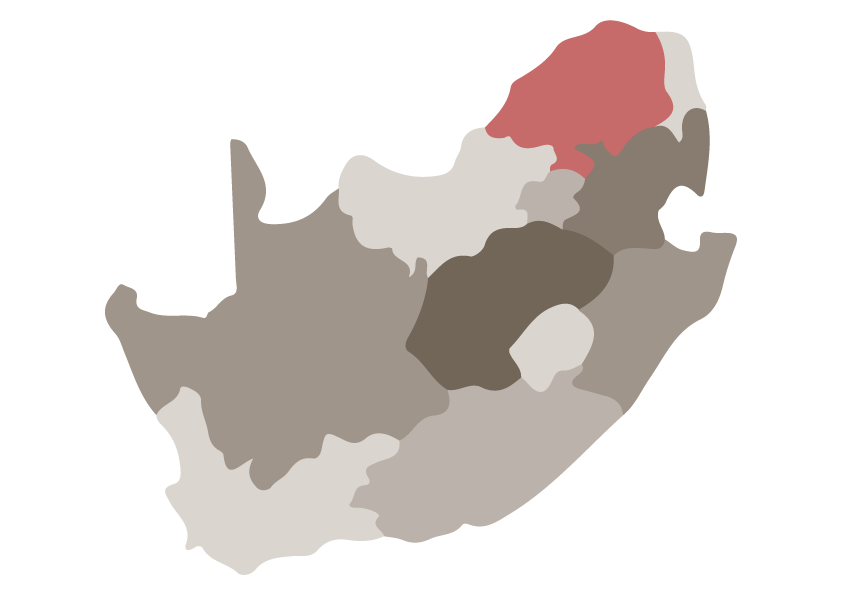
Bushveld
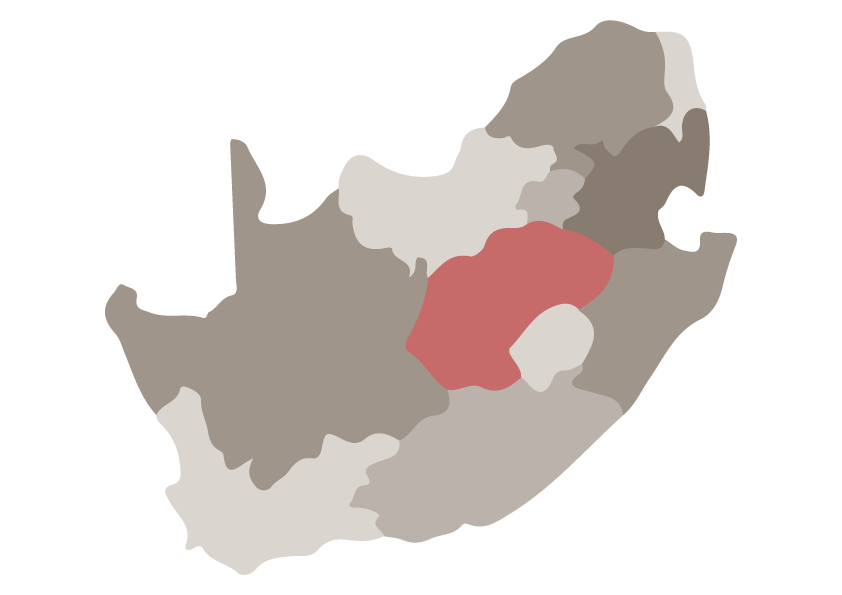
Free State
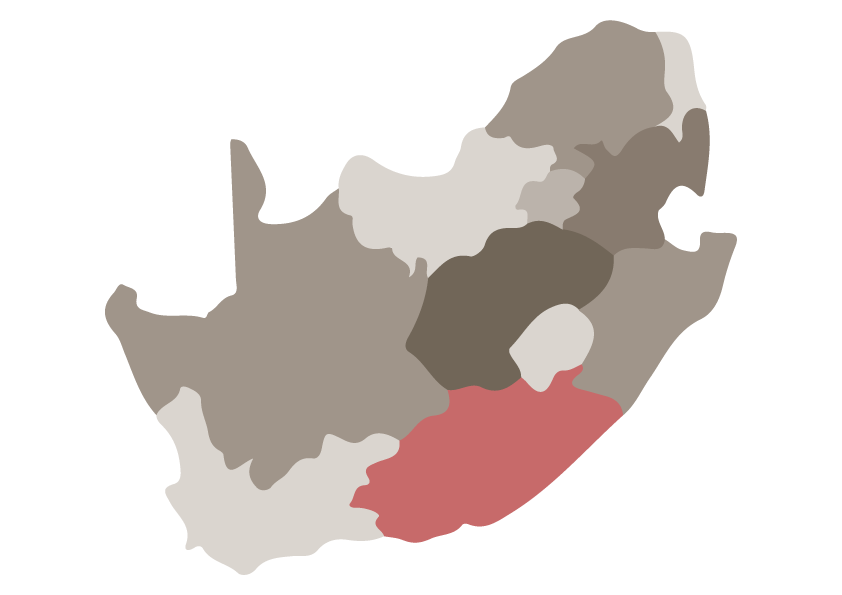
Eastern Cape
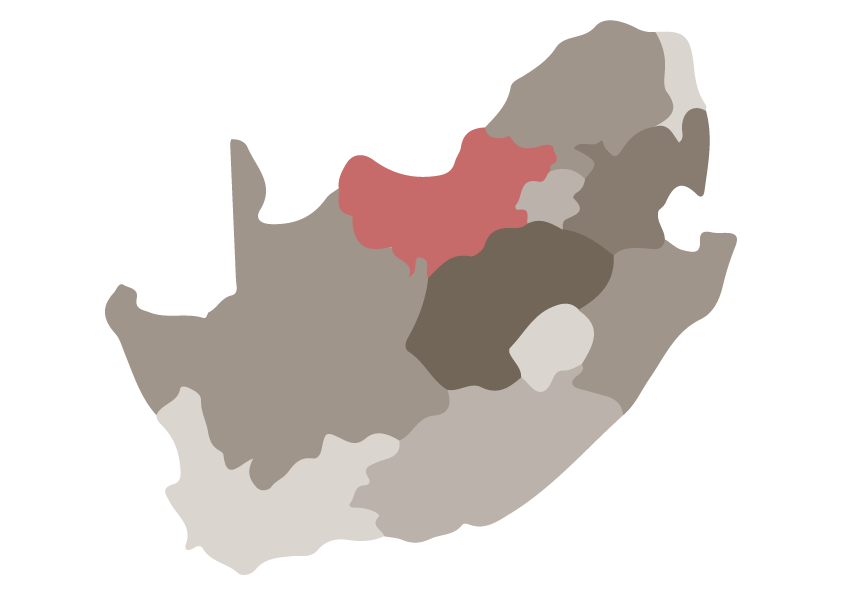
Kalahari
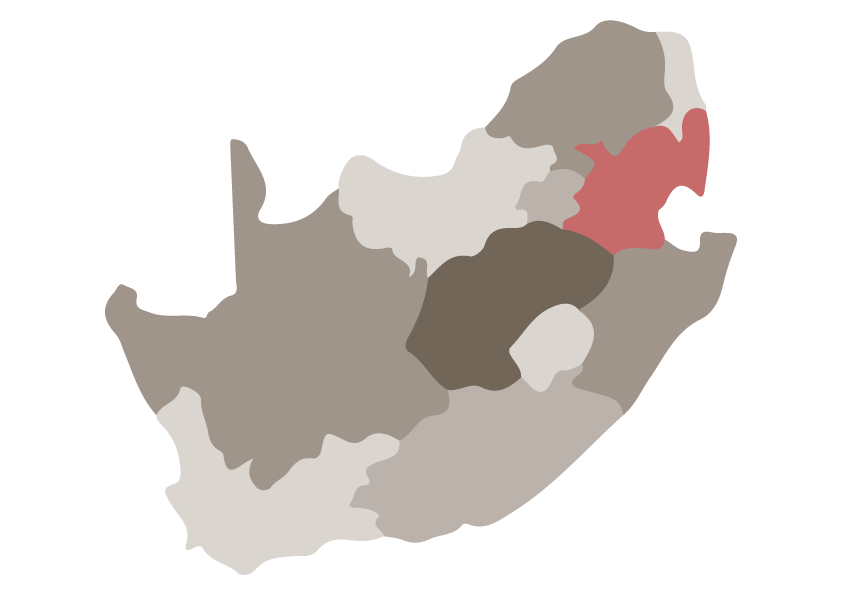
Lowveld
Overview
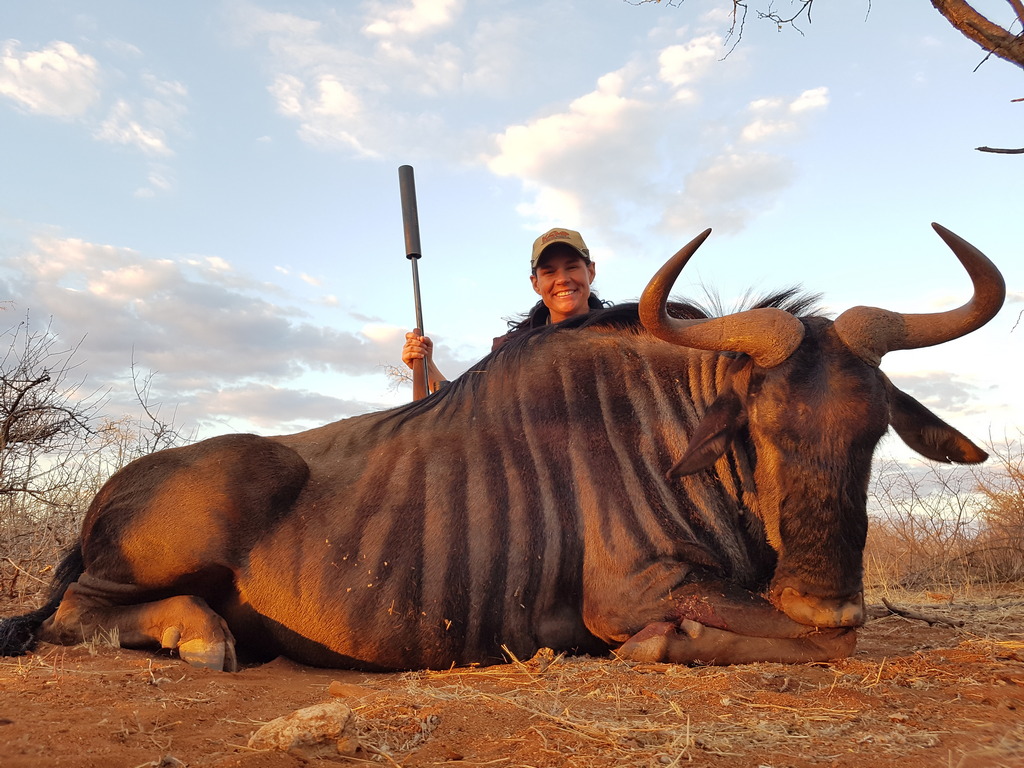
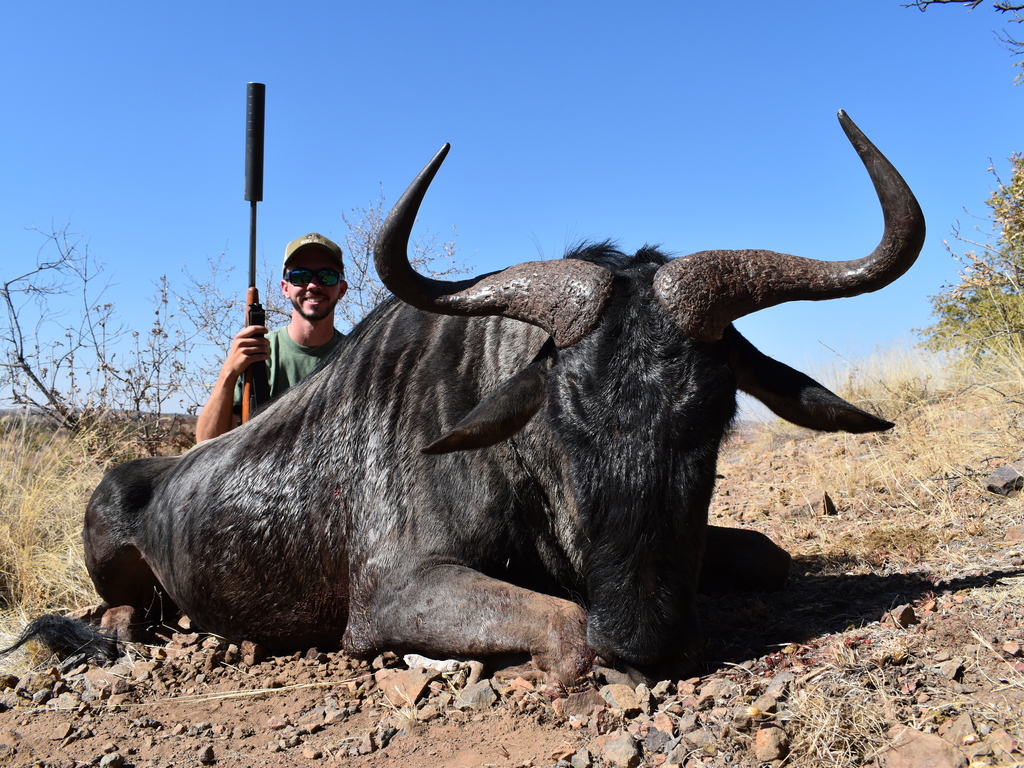
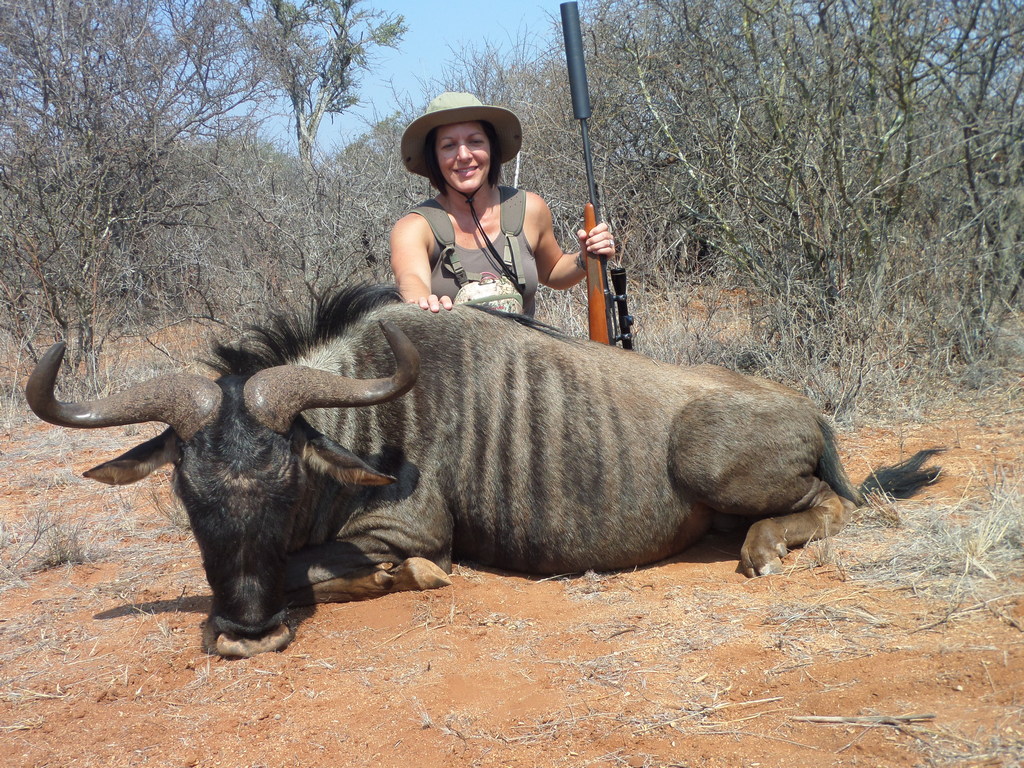
Hunting blue wildebeest, or the brindled gnu, as he is also known, can be most exciting. This large, bearded antelope, native to the acacia savanna and short grass plains is often referred to as the ‘poor man’s’ buffalo. His numbers have dwindled somewhat in many of his old habitats, but he is as plentiful as ever on the Serengeti ecosystem where his numbers may well exceed one million. The game ranches of southern Africa maintain managed populations of this ‘beest’, which offer wonderful opportunities for hunting blue wildebeest. As both sexes carry horns and are of similar body size and color, sorting out the bulls from the cows can sometimes be difficult. Look for heavier muscled individuals with thicker horn bases and more droop.
Older bulls will usually appear darker in color with wider stripes. Mature bulls can weigh as much as 600 pounds. On the open plains, the wildebeest is easy to locate from a distance, however, hunting blue wildebeest in the bushveld is quite another story. In the bush, he can be elusive and shy; a good technique is to walk slowly into a suspected resting area into or across the wind glassing well ahead for movement. This is one tough antelope; hunting blue wildebeest with less than .270 caliber and a good 150-grain bullet is not recommended. In open country, the flat shooting .300 magnums with 200 or 220-grain bullets are an excellent choice. Hunting blue wildebeest in bushveld conditions may well call for even larger calibers and heavier bullets. The prominent hump on the shoulder and the mane may often lead to a body shot placed too high.
When hunting blue wildebeest, always try to position yourself for the side-on shot; draw up the back edge of the front leg and place the shot about four inches (a hand’s width) above the point of the elbow. This ‘high heart’ shot will take heart and lungs; the animal will rock to the shot and probably go down within 50 yards. If your shot placement is not quite on the mark, be very cautious in a follow-up. This critter can be extremely dangerous when wounded. Approach a downed wildebeest from the ‘off’ side with great care, as they have been known to get up and charge.
Name: Blue wildebeest
Scientific Name: Connochaetes taurinus
Weight: 250Kg (M) 180Kg (f)
Shoulder Height: 150cm (M) 135cm (F)
Mating Season: March, April & May
Blue Wildebeest Hunting Gallery