
Trophy Hunting Chacma Baboon
Speciality Species
The baboon is either a serious trophy or serious target practice. It depends on your perspective. Many hunters seek out the skull for their game rooms. Baboon are hunted throughout South Africa but requires a CITES permit.
Amazing Facts
- The canine teeth in adult baboons are larger than those of lions.
- There are reports of “lamb snatching” (for feeding on) during the annual impala lambing season.
- The presence of cheek pouches allows temporary food storage.
Areas in South Africa where Chacma Baboon can be hunted
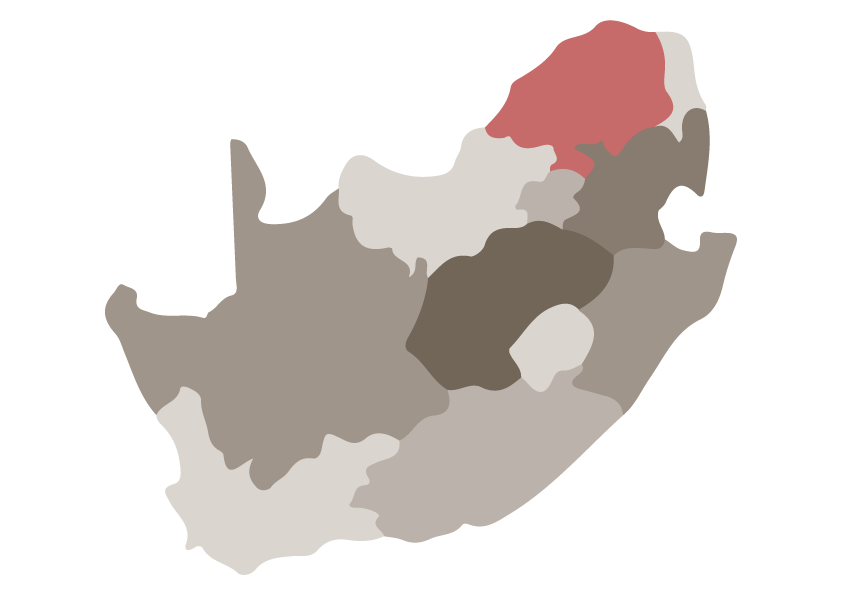
Bushveld
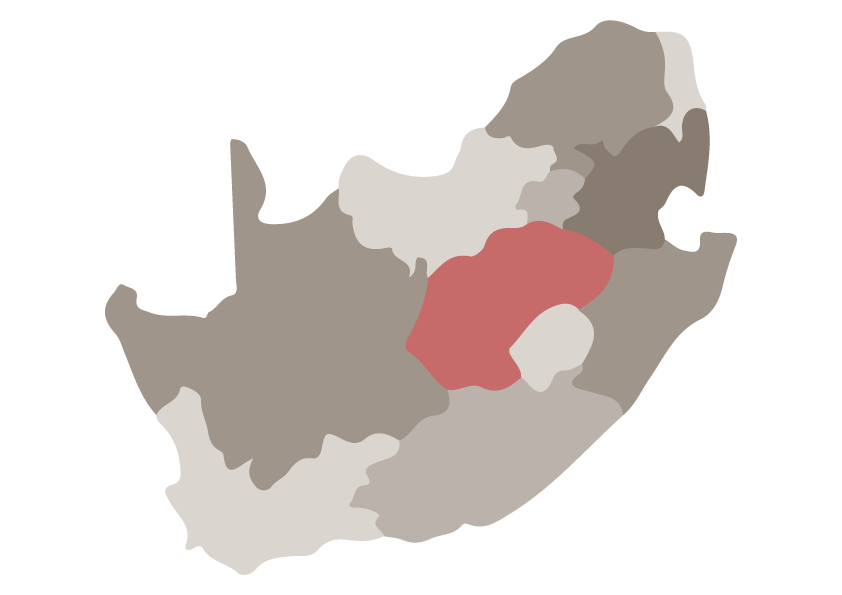
Free State
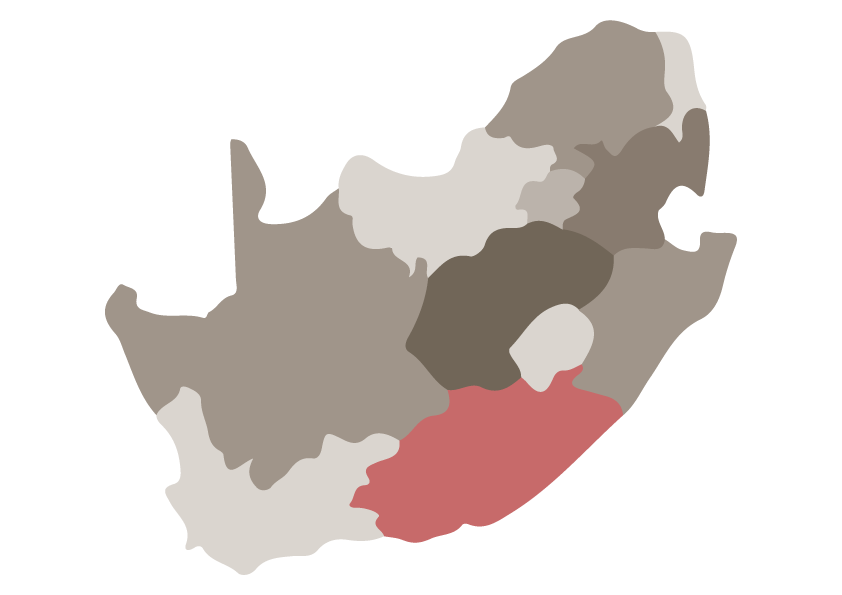
Eastern Cape
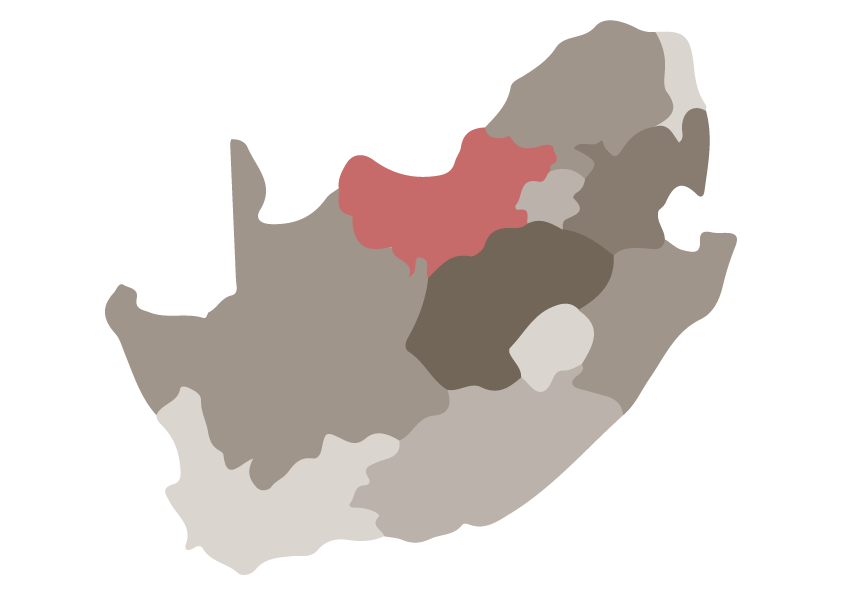
Kalahari
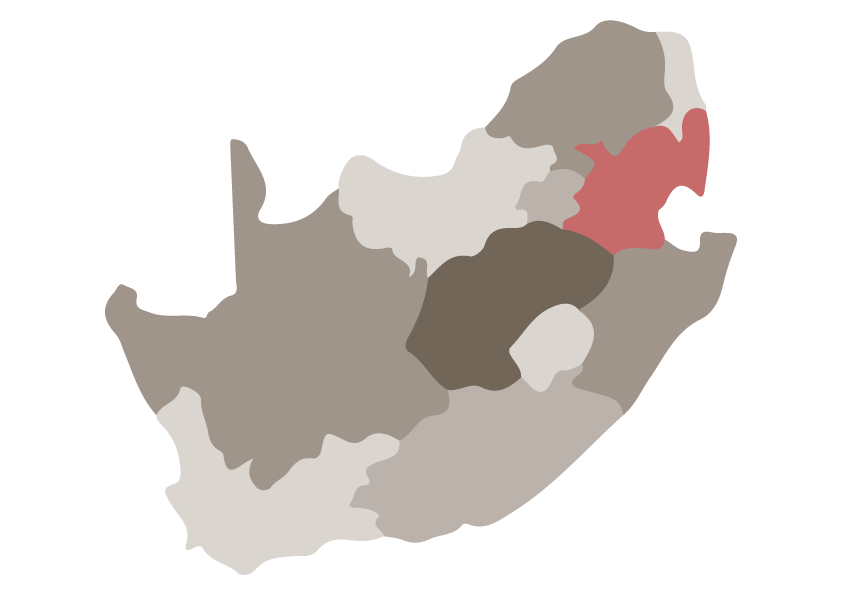
Lowveld
Overview
The largest primate in southern Africa. They have long dog-like muzzles enclosing sharp canine teeth. The muzzle is particularly pronounced in the males. A feature the males’ jaws are their formidable canine teeth, which at a length 5cm, are longer than those of a lion. The body is covered by coarse hair, which may be light greyish-yellow through to dark grey-brown to almost grey-black, as coat colour is variable, even within a troop. Their fur is thick except at the muzzle and on their buttocks where they have hard calluses that facilitate sitting. It is relatively slender and light in built, although adult males have powerfully built shoulders and heads. When the baboon is on all fours the shoulders stand higher than the rump. Male baboons are larger than females and exist in a social class that insures that only the alpha male will breed. They are a social species, living in family groups called troops. A large troop can comprise as many as 100 family members, although most troops are smaller. The species walks on all fours and can reach a top running speed of 56km per hour, with a gallop similar to that of a horse. The baboon’s main predator is the leopard.
Chacma baboons need to live close to a fresh water source, and generally also near to trees, their preferred sleeping places – although they will also sleep on rocky outcrops. They are omnivorous, spending much of the day on the ground supplementing a very varied diet. The baboons will feed on fruits, roots, tubers, leaves, insects and scorpions, as well as birds and small mammals.
Hunting baboons in South Africa is one of the most difficult hunting expeditions. They always have a sentry on duty that never sleeps and upon the warning call from the sentry all baboons start running immediately. Their eyesight is unparalleled and misses no movement or out-of-place object. Patience and good marksmanship is required when hunting baboon. This is the reason why we have a price tag on them. On some hunting properties where we come across baboons by accident and do not have to pay a trophy fee you will not be expected to pay for something we get for free. We do however need permits, so please let us know if you would be interested in hunting baboon.
Baboons will run at the slightest movement or sound, so sitting quietly in a blind is important. Trying to stalk a baboon is almost impossible as they will run ahead of you, always staying out of range. Baboons will follow the same route going to and from their roost to the feeding grounds; out in the morning and back in the late afternoon. Set up a blind along their path and wait for them to walk to you. Hunting baboons in Africa can be done with the same rifle calibers as used for plains game.
Name: Chacma Baboon
Scientific Name: Papio Ursinus
Weight: 32Kg (M) 16Kg (f)
Shoulder Height: 120 – 160cm (M) 100 – 120cm (F)
Mating Season: Throughout the Year
Gestation Period: 6 Months
Chacma Baboon Hunting Gallery

